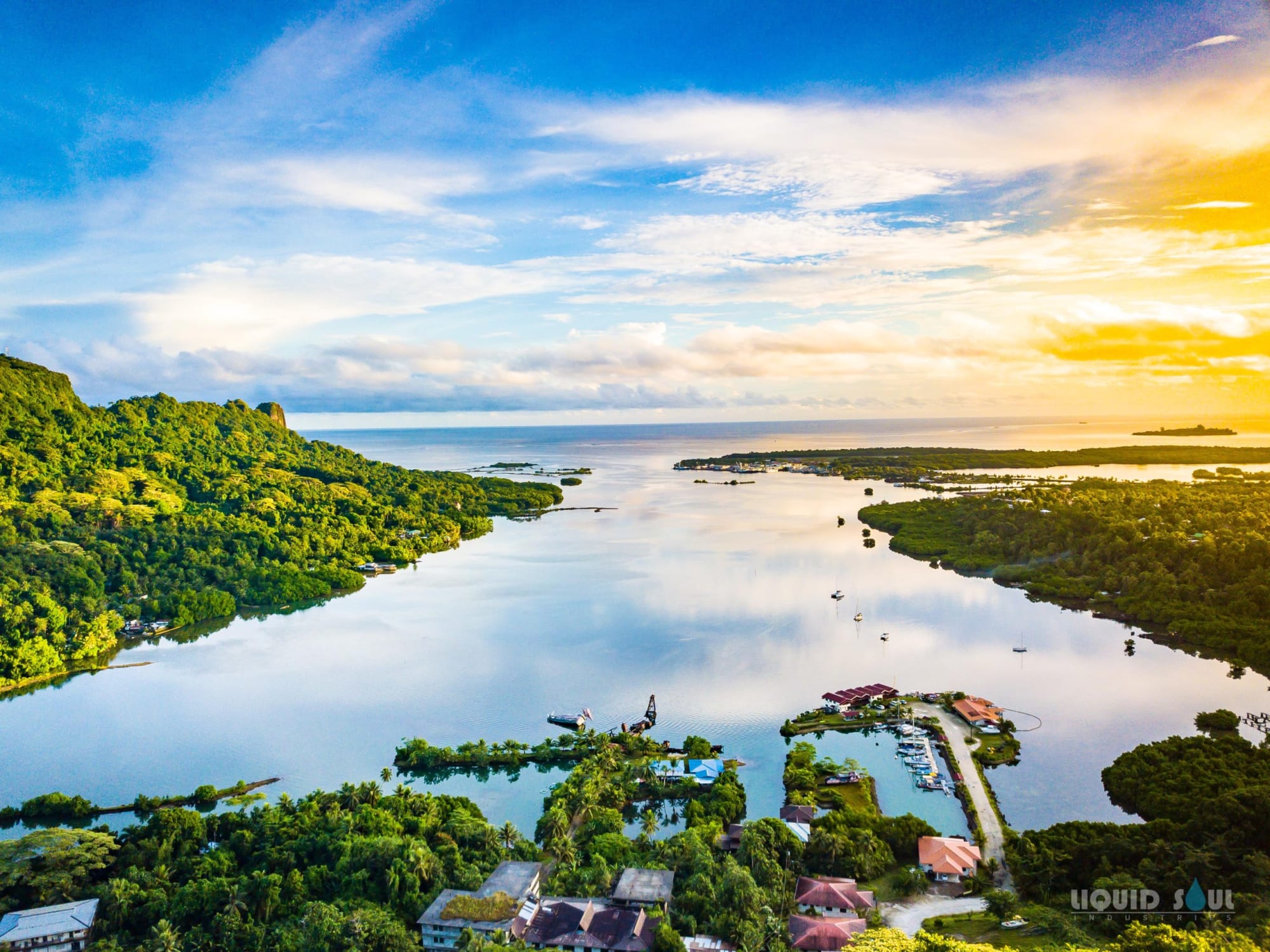
Kaselehlie — Welcome to Pohnpei
Federated States of Micronesia 6.9° N 158.2° E
Some places change your plans.
This one changes
your pace.
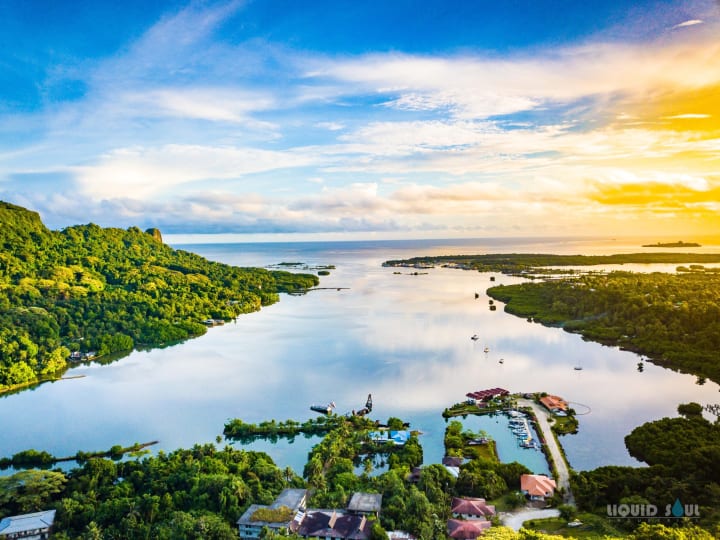
Out in the North Pacific, Pohnpei rises from the ocean in a tangle of green. Rain feeds the forest. Reefs hold the lagoon. And life has a rhythm all its own.
This is an island to get to know, slowly. Walk with a local guide. Listen to the stories. Leave a little space for the unexpected.
Get to know PohnpeiWhich way
will you wander?
No two days need to look alike.
Find your own way into the island.
 01
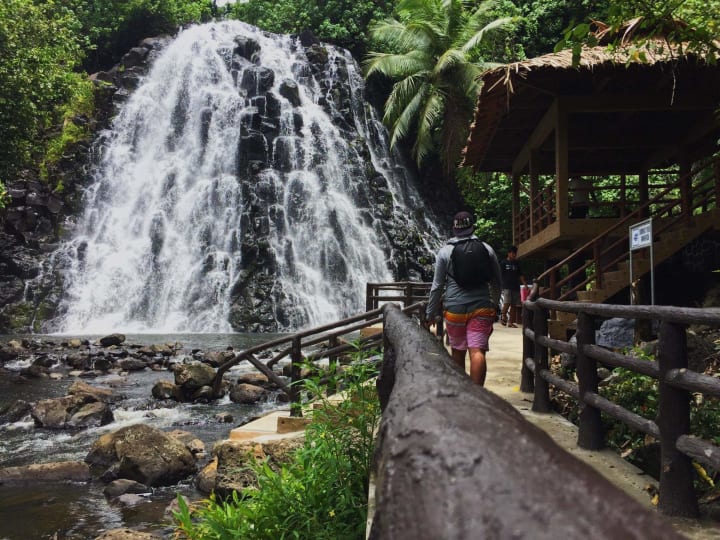
01Into the green.
Follow the river. Take the ridge. Find a different kind of rush.
 02
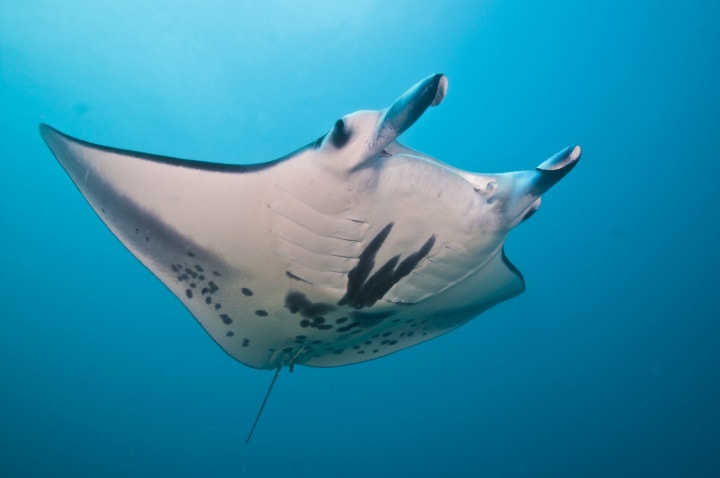
02Beyond the blue.
Meet the life beneath the surface, and the waves beyond the reef.
 03
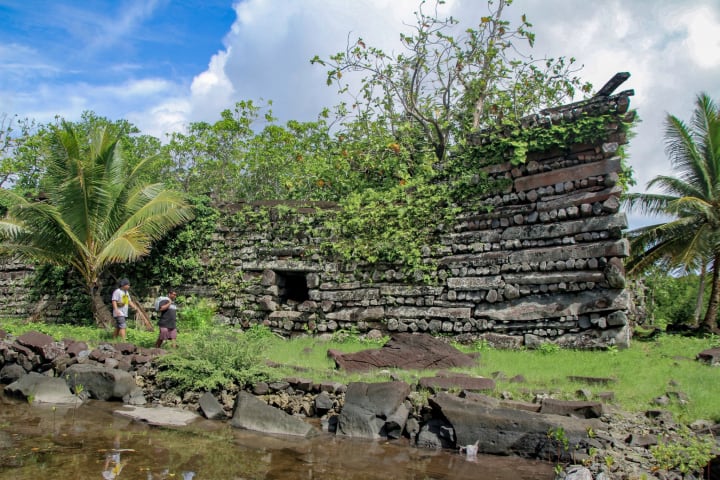
03Between worlds.
Basalt walls. Quiet canals. A history that asks you to look closer.
 04
04A slower horizon.
Let the mainland fall away. Make room for the journey.
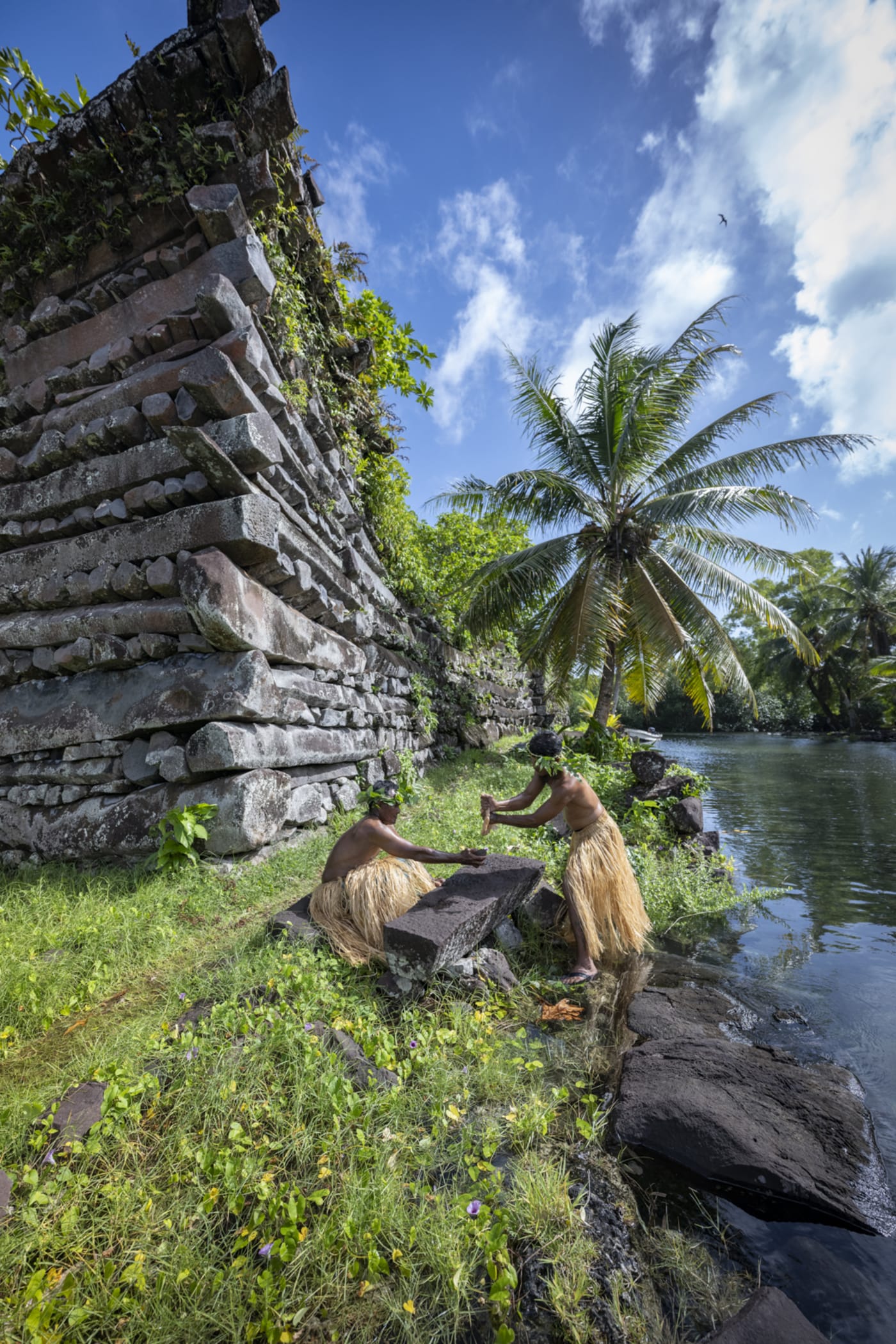 Nan Madol · Pohnpei, Micronesia
Some stories
are written
in stone.
At the edge of the lagoon, a city of basalt rises from the water. Nan Madol carries the history of the Saudeleur dynasty across more than 100 artificial islets.
Walk its quiet paths with a local guide. There is more here than first meets the eye.
Step into Nan MadolA place to approach with respect
A place is
its people.
The landscapes stay with you.
The welcome stays longer.
Pohnpei is home, first. Its living traditions, family ties and everyday generosity are part of what makes a visit meaningful. Come with an open mind, ask before taking photographs, and let your hosts lead the way.
A thoughtful way to visit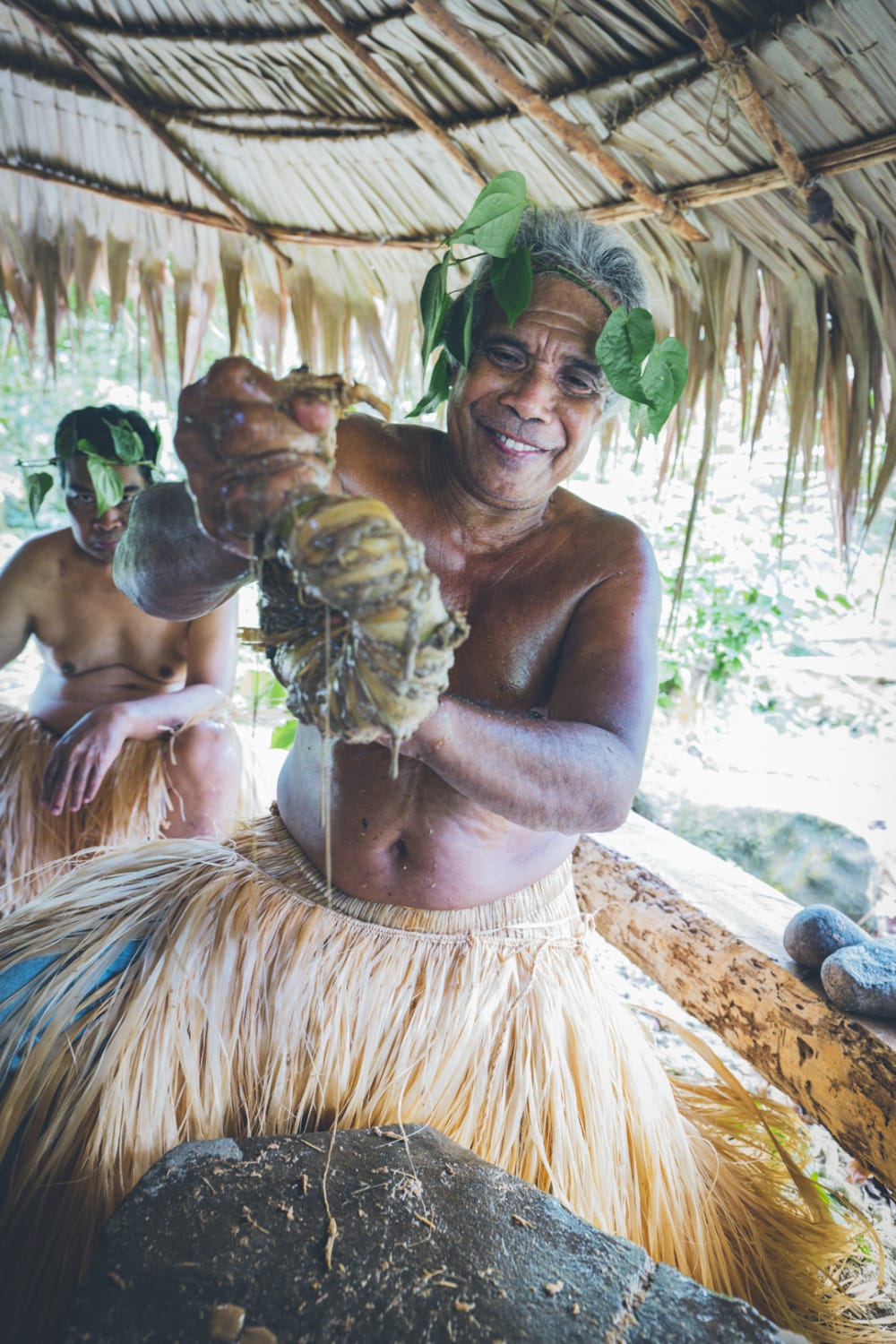
Far away.
Within reach.
A few good plans. Plenty of room to explore.
We’ll help you take the first step.

Find your way here
02Hotels & island staysSomewhere to stay
03Guides & tour operatorsGo with a local
04Good things to knowA little preparation
An independent guide. Real places. A little local perspective.